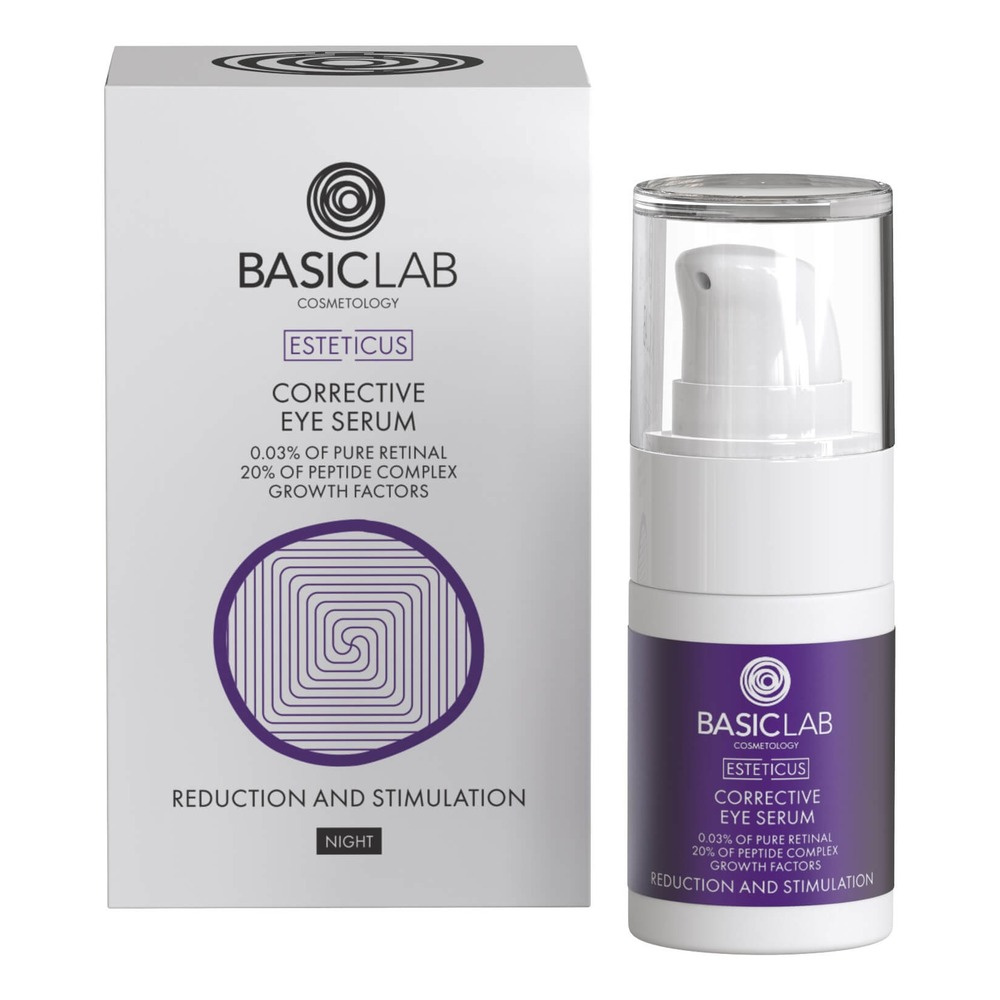
Retinol or Retinal – Which Is Better for Your Skin? A Complete Guide to Clear Up Your Doubts
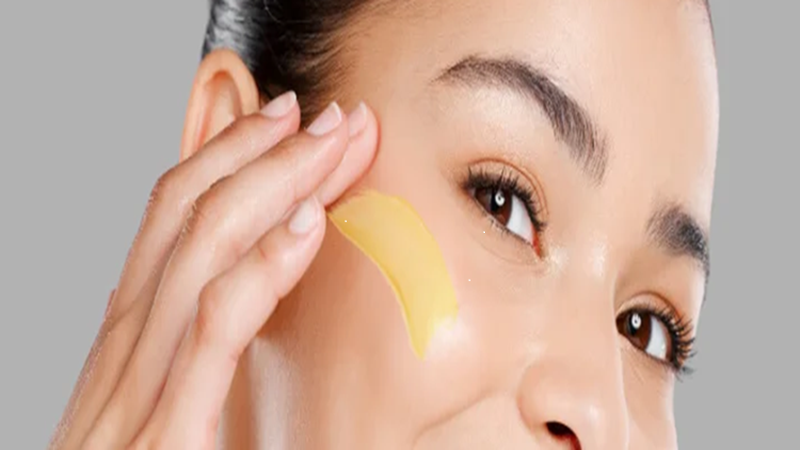
In this article, you'll find an honest, expert comparison of retinol and retinal, based on dermatological knowledge and skincare practice. We'll also answer which retinoid to choose for your skin and how to use it safely to avoid irritation.
Retinoids – Why Do They Work So Effectively?
Retinoids, vitamin A derivatives, are among the most well-researched active ingredients in cosmetology.
On the skin level:
accelerate cell renewal
- stimulate fibroblasts to produce collagen and elastin
- lighten discolorations
- have anti-acne properties
- help smooth wrinkles and improve skin firmness
This is why retinol and retinal are the foundation of anti-aging skincare.
Retinol – a classic loved by millions
Retinol is the most popular form of retinoid in cosmetics. After application to the skin, it must undergo two conversions to become active retinoic acid:
retinol → retinal → retinoic acid
The more conversions, the slower the effect – that's why retinol works gradually, with results typically visible after 8–12 weeks.
Retinol advantages:
- well-researched ingredient
- available in a wide range of concentrations
- ideal for wrinkles, discoloration, and uneven texture
- great for those with normal, dry, and mature skin
Disadvantages:
- may cause irritation
- acts slower than retinal
- requires patience
Retinal – a new generation of retinoids, faster and gentler
Retinal (retinaldehyde) is a more modern form of vitamin A and the closest over-the-counter retinoid to retinoic acid. It requires only one conversion:
retinal → retinoic acid
This makes it work:
- faster
- more effectively at lower concentrations
- more gentle on the skin barrier
Furthermore, retinal has antibacterial properties, making it ideal for acne-prone and problem skin.
Advantages of retinal:
- faster results than retinol
- lower risk of irritation
- antibacterial
- ideal for sensitive, couperose-prone, and acne-prone skin
- also works well under the eyes
Disadvantages:
- higher price
- lower product availability
Retinal and Acne – an Advantage Confirmed by Research
One of the most important discoveries in recent years is that retinal has proven antibacterial properties and can inhibit the growth of the bacteria Cutibacterium acnes (formerly Propionibacterium acnes) – responsible for inflammation and breakouts.
Retinol only gains its antibacterial properties after being converted into retinal, so in practice:
retinal works more strongly and quickly on acne than retinol.
This makes it an excellent choice for those struggling with:
- blackheads,
- inflammation,
- papules and pustules,
- oily skin.
Retinol vs. Retinal – Key Differences
Retinol Retinal Features
Conversion to active form: 2 steps, 1 step
Action rate: slower, faster
Effectiveness: high, very high
Risk of irritation: higher, lower
Recommended for normal, mature, sensitive, acne-prone, and vascular skin
When to choose retinol?
Choose retinol if:
- You have normal, dry, or mature skin
- You want classic anti-aging care
- You prefer more affordable products
- You're just starting your retinoid journey
How to use retinoids safely? 3 golden rules
1. Introduce gradually
Start with:
- twice a week
- then 3-4 times
- ultimately every other day
2. ALWAYS use SPF 50
Retinoids sensitize the skin to UV radiation.
3. Maintain the hydrolipid barrier
Use:
- ceramides
- squalane
- panthenol
- hyaluronic acid
Summary – retinol or retinal?
Both work, but each works differently.
➤ If you want quick results without irritation, choose retinal.
➤ If you prefer classic, proven solutions and have normal or mature skin, choose retinol.
Most important?
Regular use, SPF protection, and good hydration.
Recommended
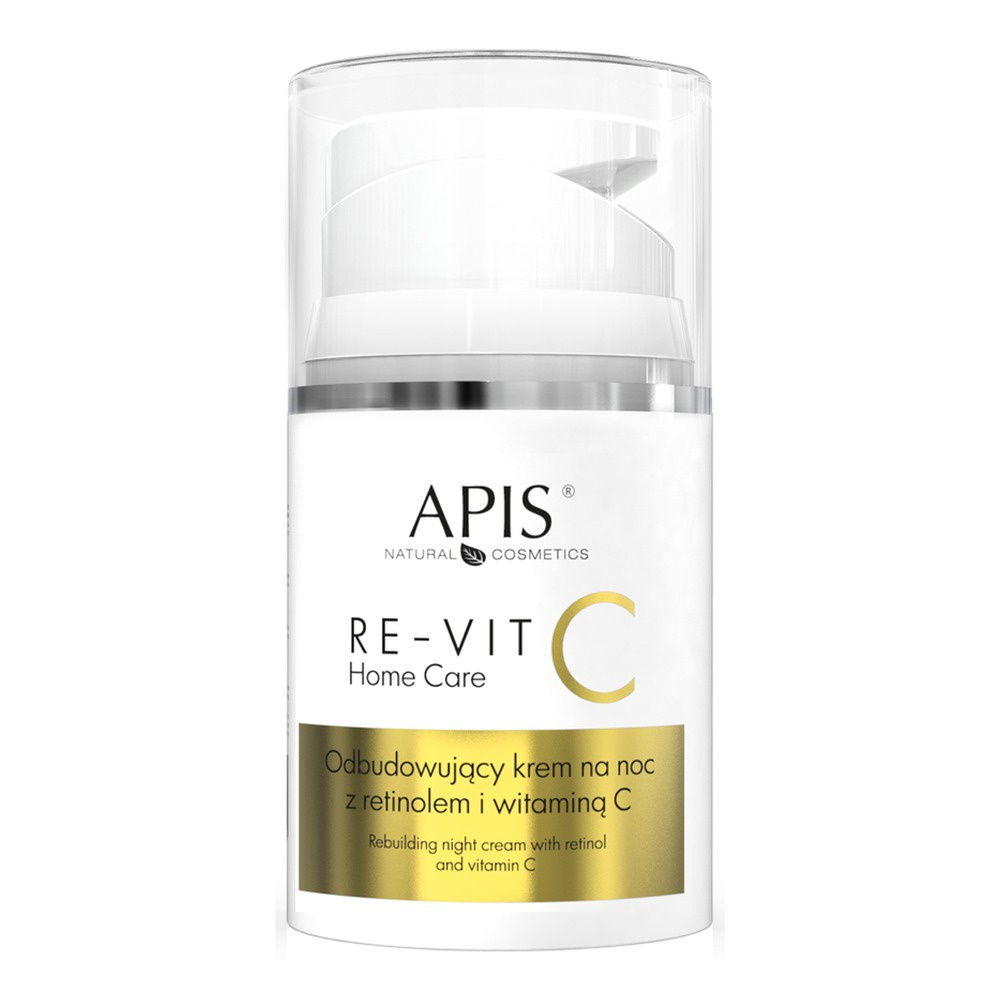
Apis Re-Vit C Rebuilding Night Cream with Vitamin C and Retinol for Gray Skin 50ml
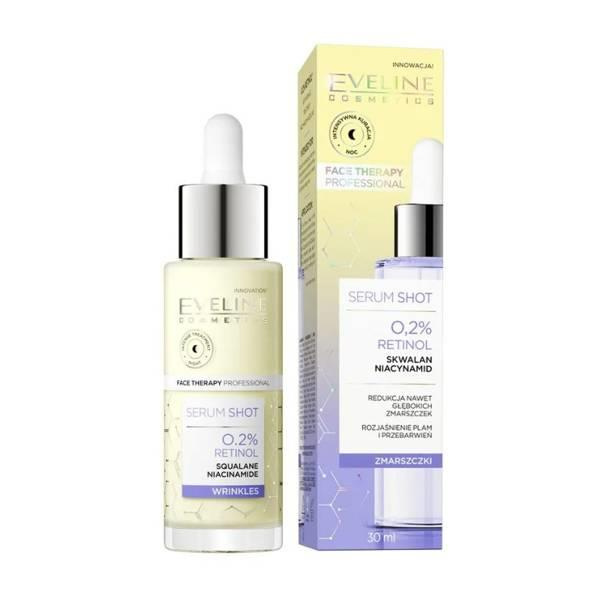
Eveline Serum Shot 0.2% Retinol Anti-Wrinkle Serum for Face Neck and Neckline 30ml
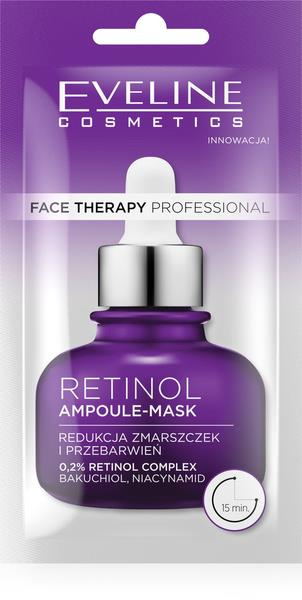
Eveline Face Therapy Professional Ampoule-Mask Retinol Reducing Wrinkles and Discoloration Cream Mask 8ml
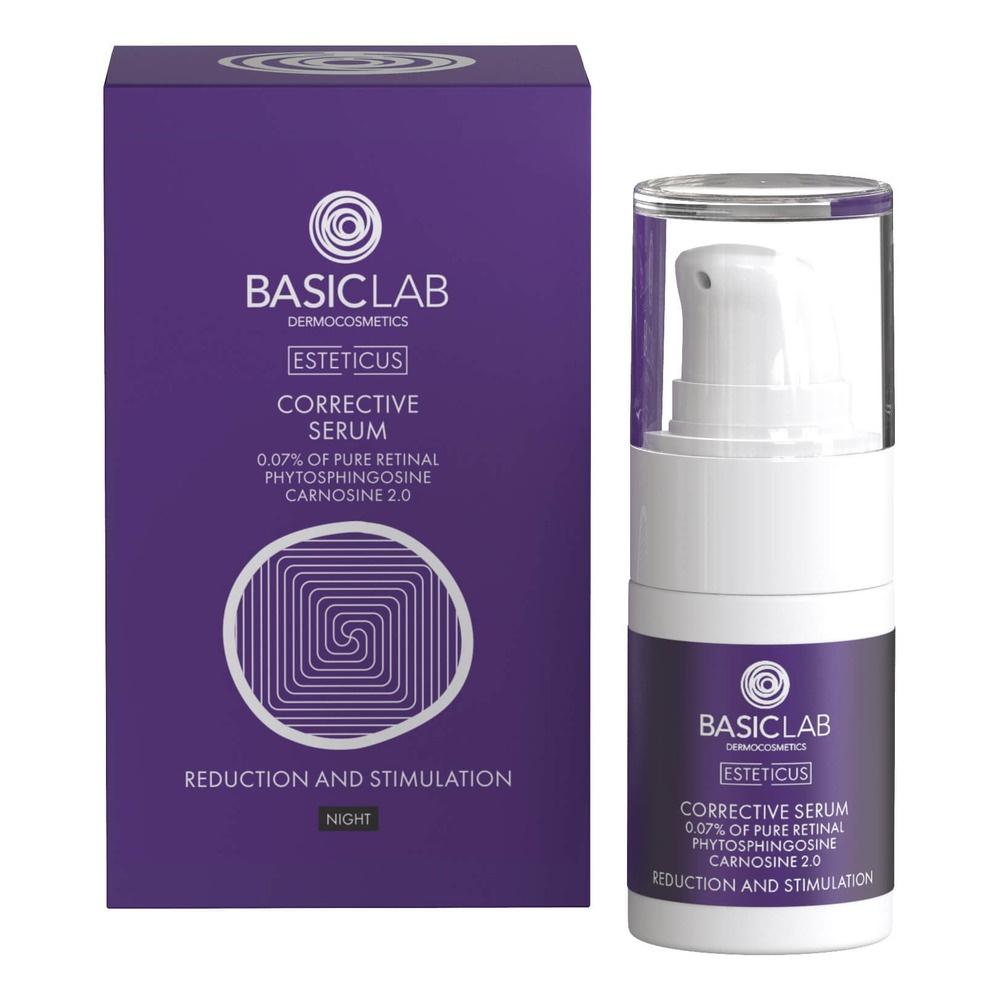
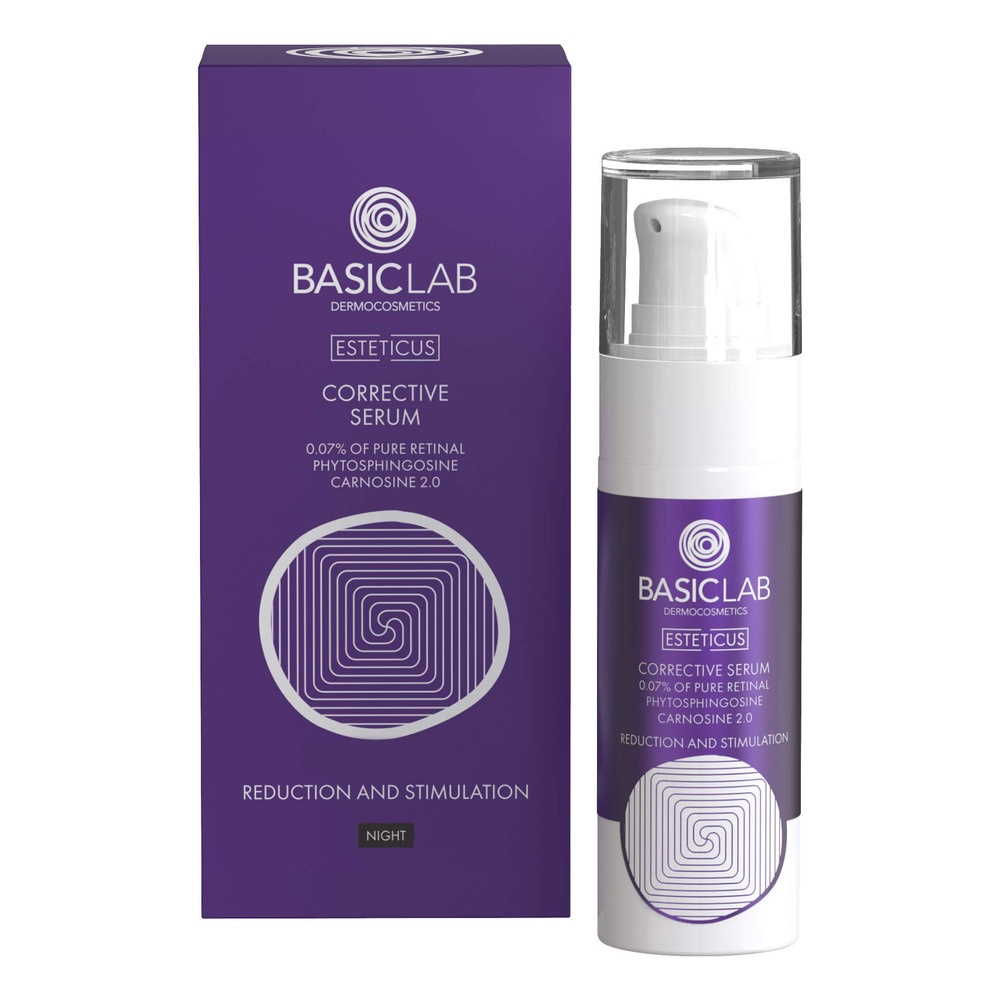
BasicLab Correcting Serum with Retinal 0.07% Phytosphingosine and Carnosine 2.0 15ml
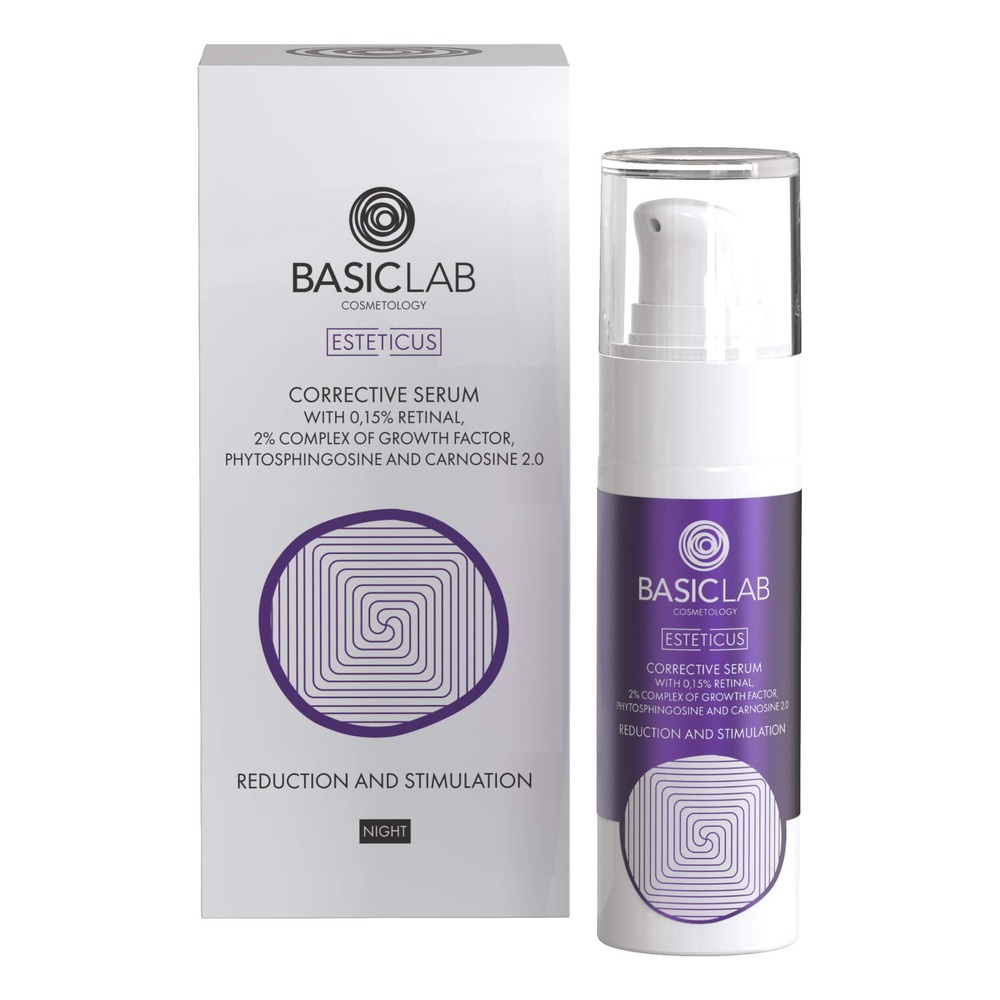
BasicLab Correcting Serum with Retinal 0.15% and Growth Factor 30ml
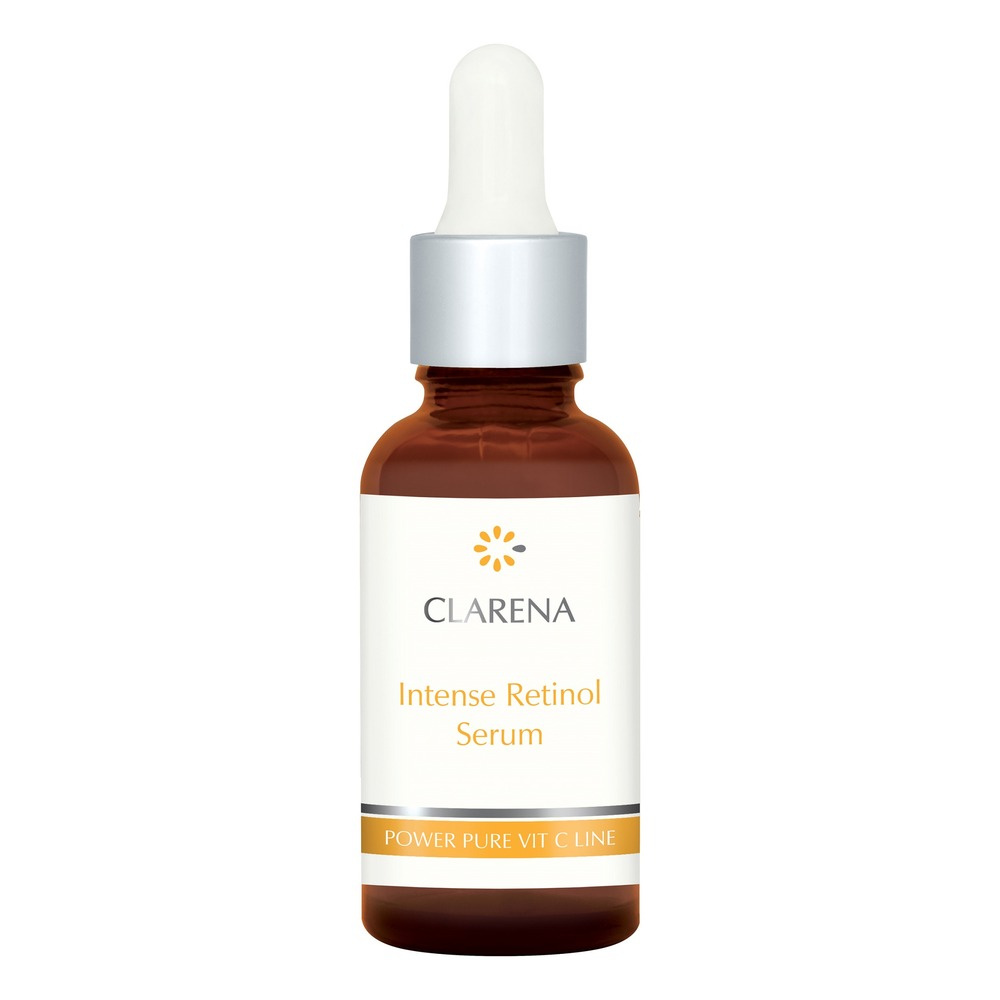
Clarena Power Pure Vit C Line Intense Retinol and Hyaluronic Acid Serum 30ml
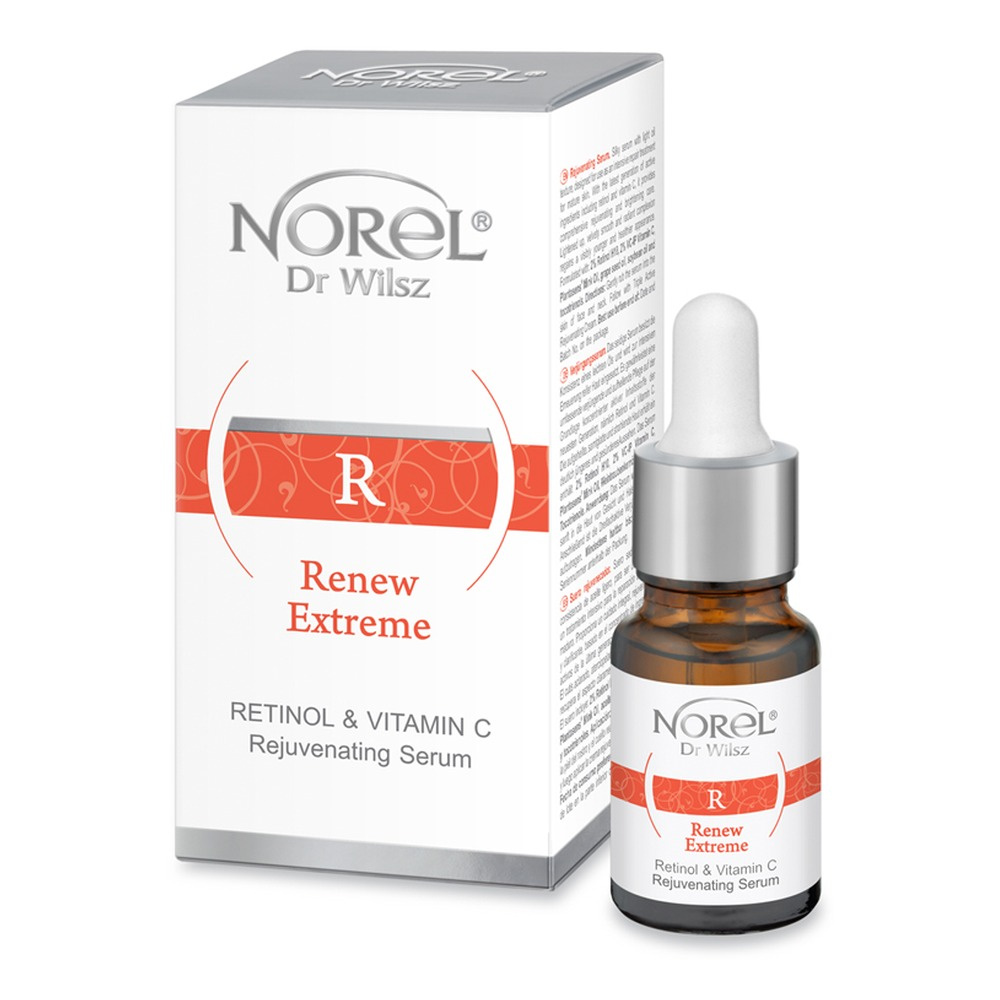
Norel Renew Extreme Retinol and Vitamin C Rejuvenating Serum 10ml
Bioliq Pro Rejuvenating Serum with Retinol for Mature and Sensitive Skin 20ml
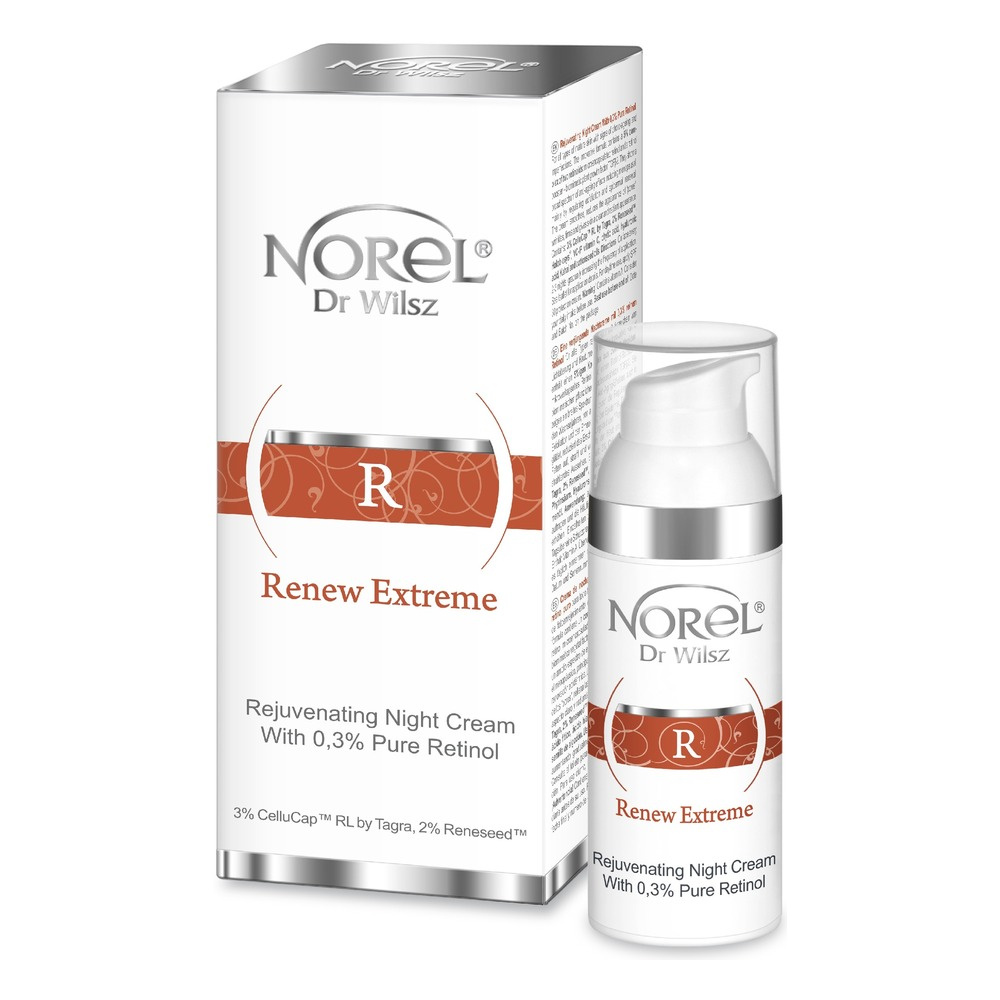
Norel Renew Extreme Rejuvenating Night Cream 0.3% Pure Retinol 50ml
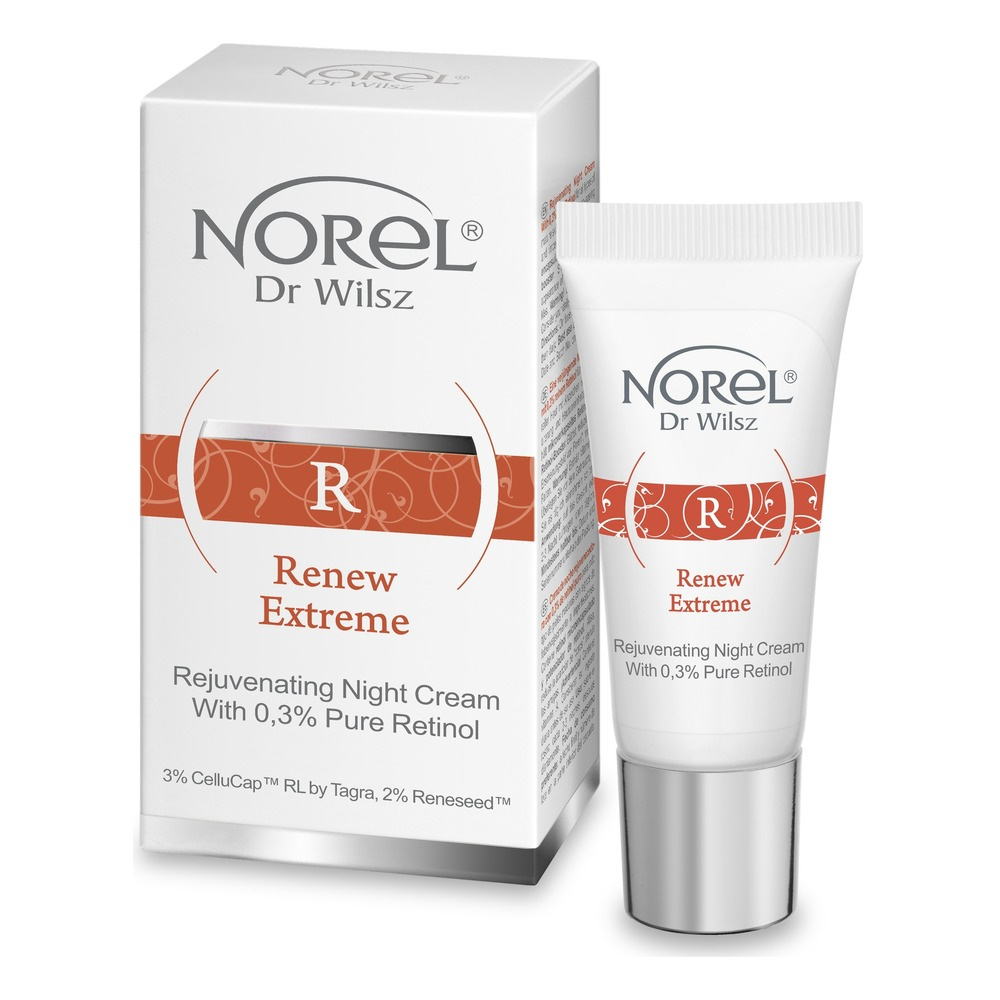
Norel Renew Extreme Rejuvenating Cream 0.3% Retinol Night 15ml
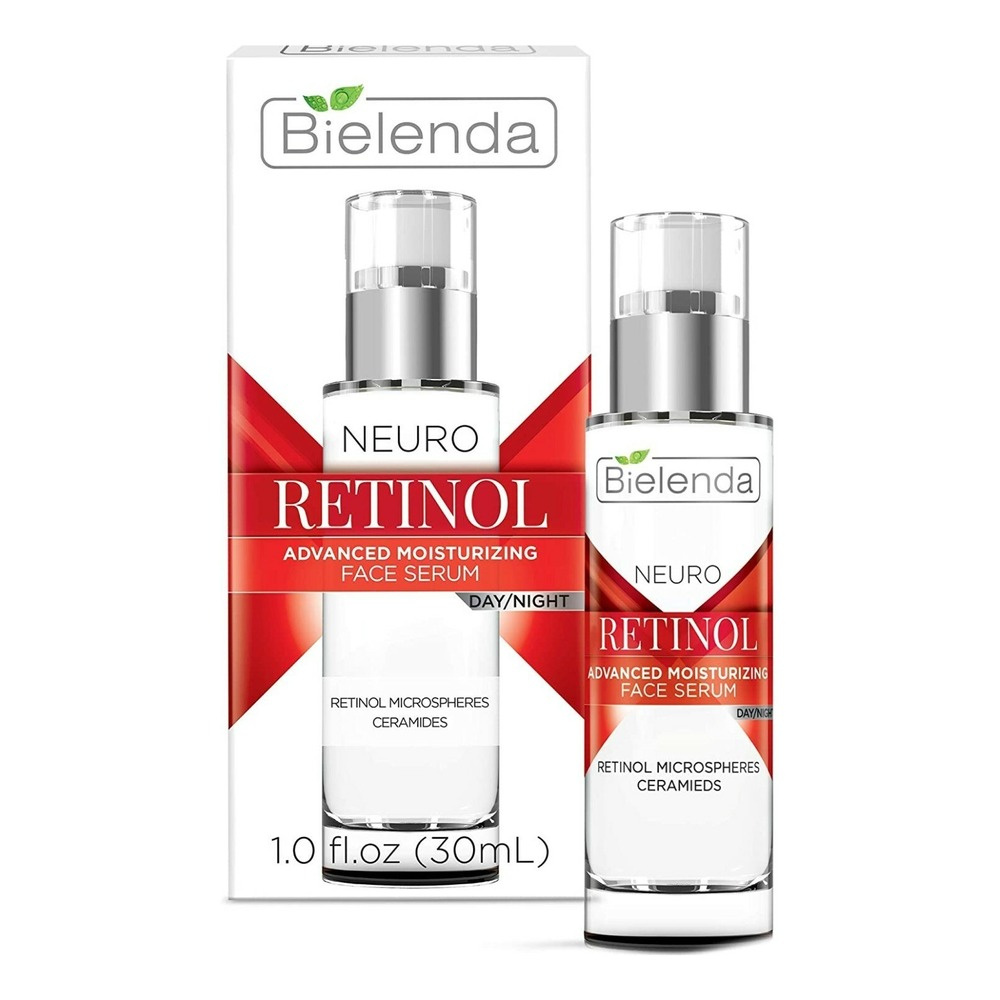
Bielenda Neuro Retinol Advanced Anti-Wrinkle Moisturizing Face Serum 30 ml
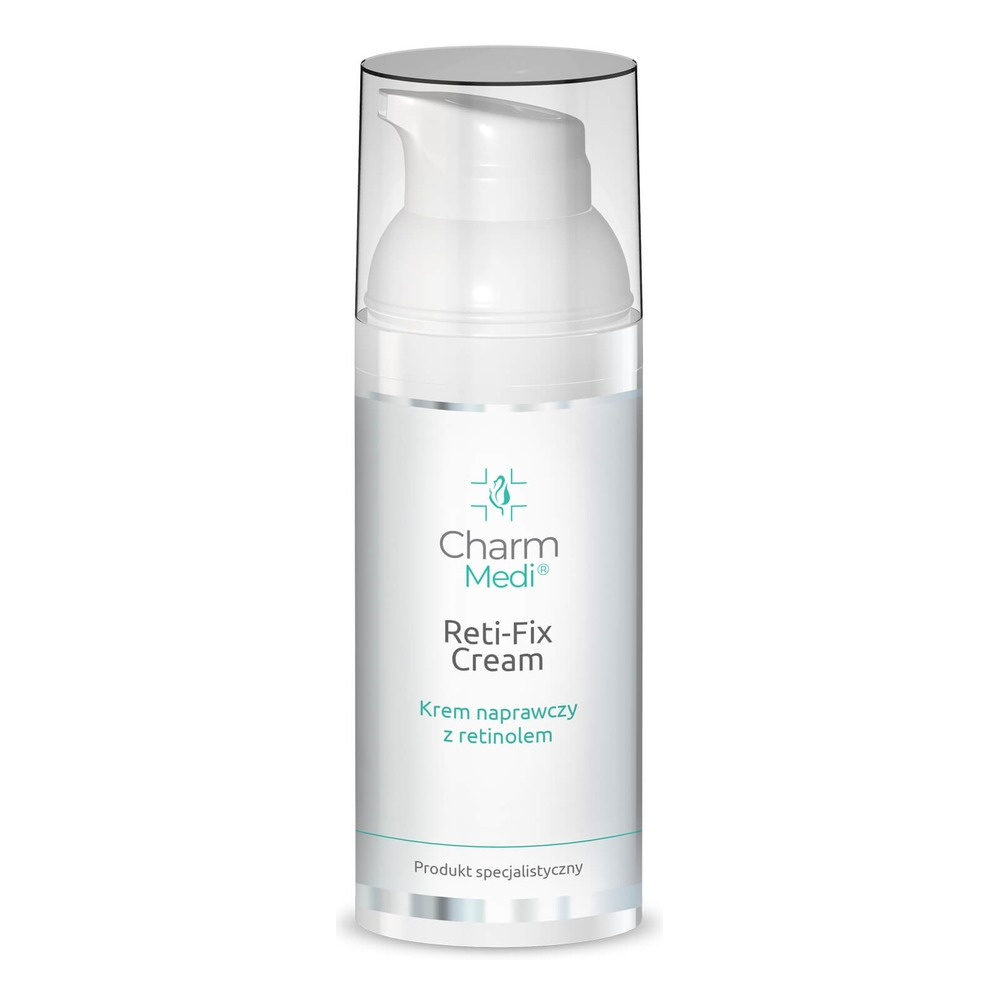
Charmine Rose Medi Reti Fix Repair Cream with Retinol 50ml
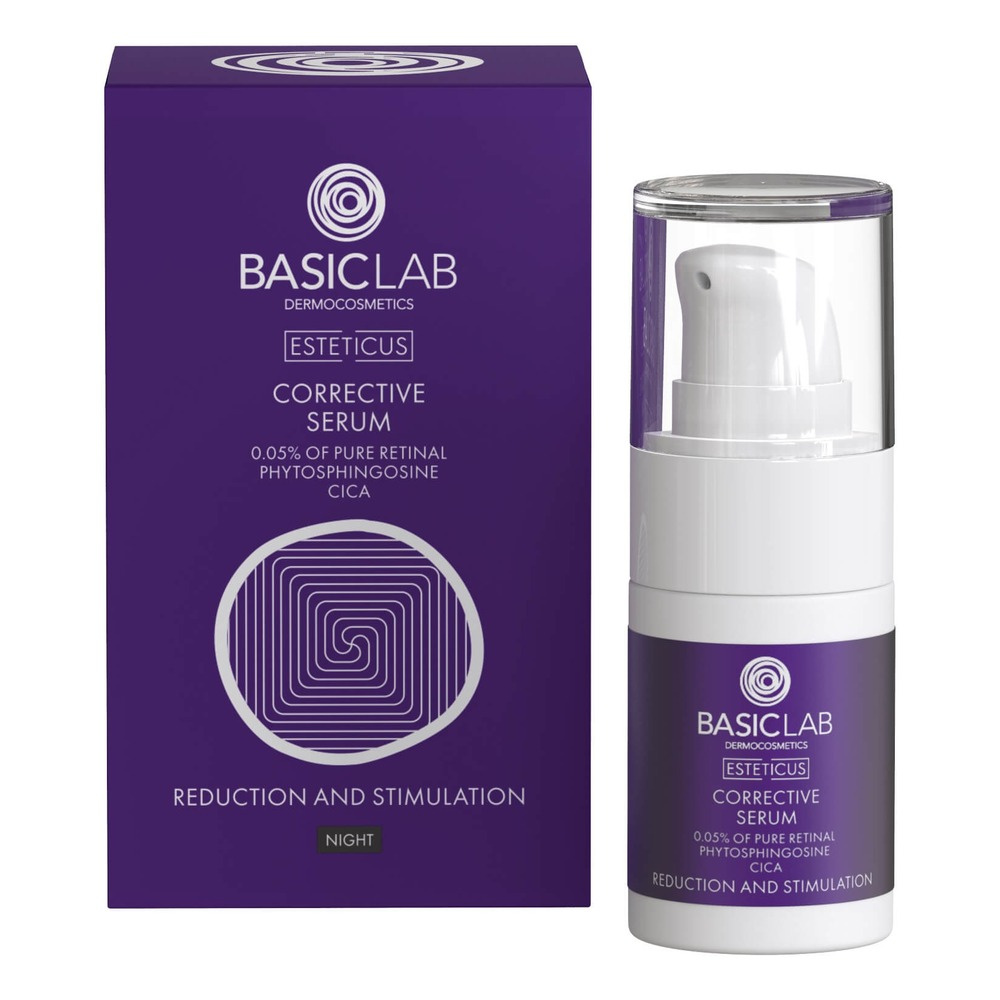
BasicLab Esteticus Corrective Retinal Serum 0.05% with Cica 15ml